Wood Chips for Biomass Boilers: What Buyers Need to Know
Wood chips are a practical biomass option when a plant can handle larger, less uniform particles than pellets. They are widely discussed for biomass boilers and industrial heating. This guide covers what chips are, how they are used, which specifications matter, and how to inquire with PT Energi Jaya Integra.
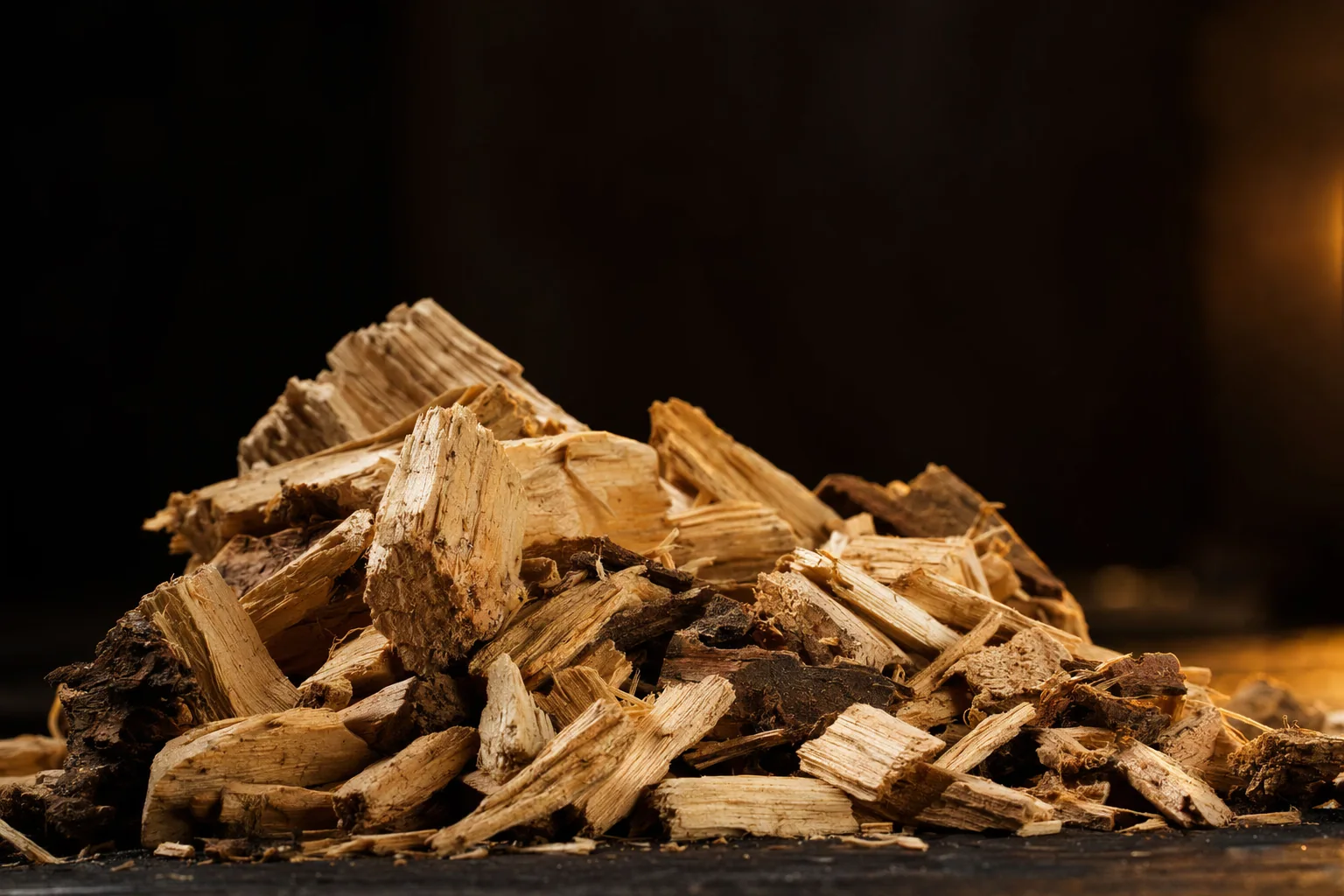
What wood chips are and how they are made
Wood chips are pieces of wood cut or chipped to a size that feeding systems and boilers can accept. They generally come from logs, residues, or other wood-based material that is screened to a target size band. Unlike pellets, chips are not heavily densified, so moisture and particle size vary more from load to load.
Because chips are closer to raw wood, production is usually simpler than pelletising. The trade-off is that storage, drying, and fuel feeding must match the chip grade. Fresh chips can be much wetter than dried chips, and that difference changes both handling and combustion.
Main uses in boilers and industry
The core use case is biomass boilers designed for wood chips. Industrial heating plants and some power facilities also use chips when conveyors, day silos, and grates are built for that fuel. Chips are less common in small automated pellet stoves that expect a narrow diameter cylinder.
If a boiler was built for pellets or coal only, chips may not feed or burn correctly without modification. Always check particle size, moisture, and ash limits with the equipment maker or plant engineer before you compare offers.
Key specifications buyers usually ask about
Size is the first filter. Buyers typically specify a chip class or a millimetre range that matches their screw, piston, or walking-floor feeder. Oversized pieces can jam equipment; too many fines can change airflow on the grate.
Moisture is often discussed across a wide band. Green chips are commonly discussed somewhere around 20–55% moisture depending on species and seasoning, while dried chips sit lower. Calorific value on an as-received basis falls when moisture rises, so buyers usually discuss both numbers together. Ash content depends on bark content and cleanliness of the feedstock.
Delivery format and volume complete the picture: loose bulk, walking floor, or containers, plus how the site will unload and cover the fuel. Treat any general range in this article as orientation, then confirm the values your boiler needs.
Advantages compared with other fuels
Chips can be more economical per tonne than pellets when logistics and boiler design support them. They use wood that might otherwise be under-used residues, and they suit larger plants with robust fuel yards. Compared with coal, chips can support a renewable fuel share when the plant is ready.
Compared with pellets, chips need more space, more moisture management, and more careful size control. They are not automatically better—only better when your equipment and site layout favour them.
Tips for choosing the right wood chips
Collect the chip size, moisture, and ash limits from your boiler documentation. Note covered storage capacity and unloading method. Then ask suppliers to quote against that list rather than a vague industrial chip label.
If you currently burn pellets or another fuel, say what you want to change. Seasonal moisture swings also matter in tropical supply chains, so ask how moisture will be measured on delivery.
How to order or request a quote from PT Energi Jaya Integra
Open the Contact page and share that you need wood chips, plus boiler type, size and moisture targets, quantity, and destination. Email info@tradeofindonesia.com or WhatsApp +62 878-7181-2860. Our team in Jakarta will discuss what can match your plant.
Frequently asked questions
Can pellet boilers use wood chips?
Often not without changes. Chip systems need different feeding and usually tolerate wider particle sizes and moisture.
Why does moisture matter so much?
Higher moisture lowers as-received energy and changes how chips store and burn. Buyers usually discuss moisture and calorific value together.
What should I send in an inquiry?
Chip size, moisture target, ash preference, volume, destination, and a short note about your boiler.
How do I request a quote?
Use the Contact page or email info@tradeofindonesia.com with your targets and destination.
Related articles
Need wood chips for your boiler?
Share your size and moisture targets, and we will discuss practical chip options for your site.