Understanding Biomass Specifications for Buyers
Biomass quotations move faster when buyers and suppliers share the same language on specifications. Calorific value, moisture, ash, size, and packaging come up in almost every serious inquiry. This guide explains those terms in simple words and shows how to use them when you contact PT Energi Jaya Integra.
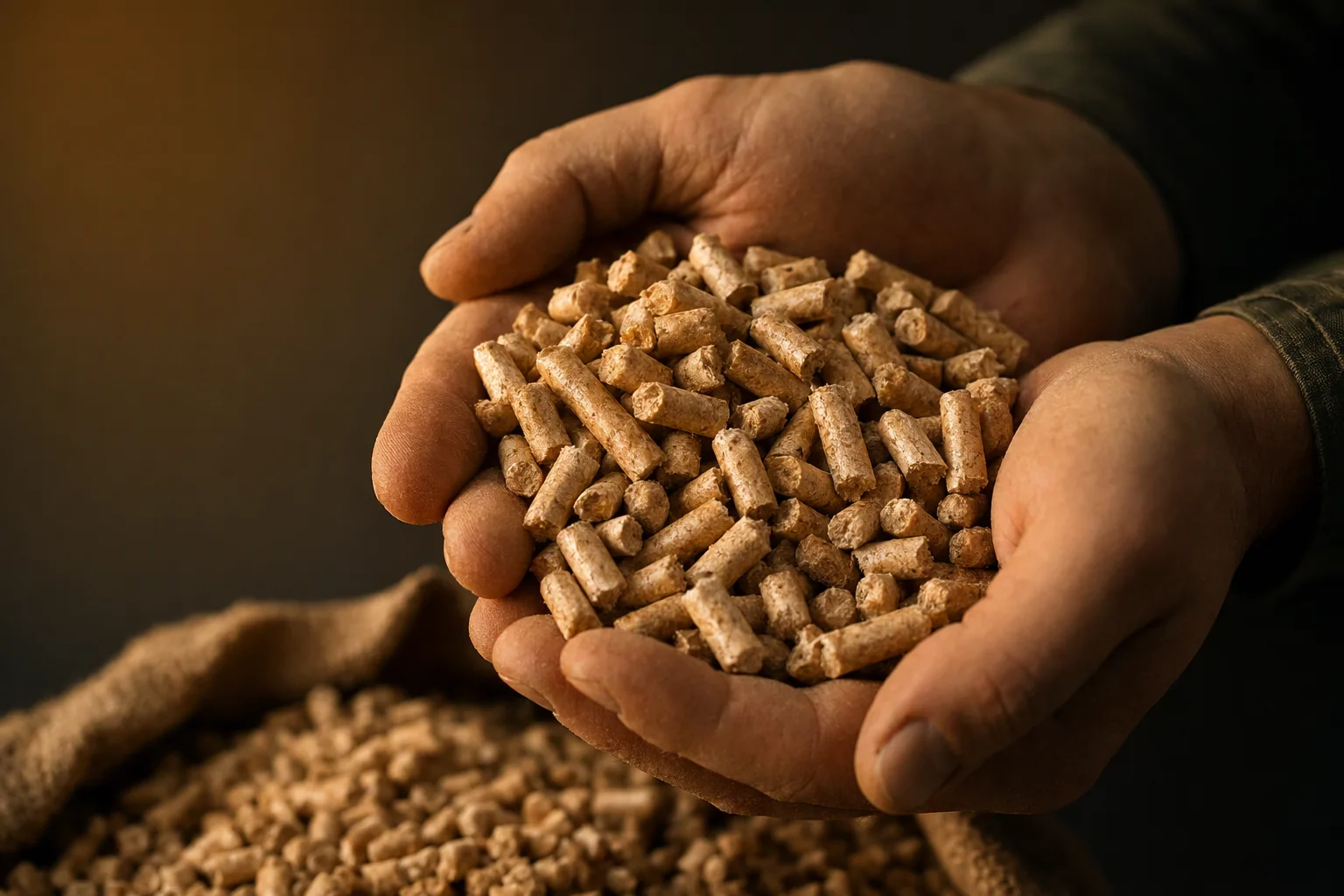
What these specifications are and why they exist
Specifications describe how a solid fuel behaves in storage, handling, and combustion. They are not marketing slogans. They help a plant engineer decide whether a fuel fits a boiler, grate, or feeding line. For cooking briquettes, the same idea applies to ash, moisture, and size for the grill or burner.
Every fuel family—pellets, chips, palm kernel shells, or charcoal briquettes—uses a slightly different set of numbers. The principle stays the same: name the parameter, give a target band, and say how you will use the product.
Main uses of specification talk in industry
Industrial heating and biomass boilers use specs to protect equipment and keep steam or hot water stable. Power plants use them to plan blends and ash systems. Commercial briquette buyers use ash, moisture, and size to protect brand quality on the grill.
A quote without specs invites mismatched offers. A short list of targets saves time for both sides.
Key specifications buyers usually ask about
Calorific value is the energy in the fuel, usually discussed per kilogram. Higher as-received energy generally means less mass to move for the same heat, but moisture pulls the as-received number down. For many industrial wood pellets, buyers generally discuss values around 16–18 MJ/kg. For many PKS grades, talk often sits around 16–19 MJ/kg. These are common ranges, not guaranteed figures.
Moisture is water in the fuel. Wet fuel stores differently, can heat in piles, and burns with more steam. Many industrial pellets are discussed around 10% moisture or lower; many commercial PKS lots around 15% or lower; briquettes often around 8% or lower. Ash is the mineral left after burning. Lower ash often means less disposal work, but the acceptable band depends on the plant.
Size and packaging complete the request: pellet diameter, chip class, shell screening, briquette shape, bags, big bags, cartons, or bulk. Always phrase market ranges as generally or typically, then confirm against your equipment.
Advantages of clear specifications
Clear specs reduce surprises on delivery. They help compare offers on the same basis. They also make it easier to align logistics: covered storage for dry fuels, suitable unloaders for chips, or carton counts for briquettes.
Unclear specs create delay. If you only say industrial biomass, suppliers cannot know whether you need pellets, chips, or shells.
Tips for choosing and stating the right specs
Copy the limits from your boiler manual or quality sheet. State as-received or dry basis if you know it. Add volume, destination, and packaging. If you are switching fuels, name the current fuel and why you want to change.
Keep the first inquiry short and factual. You can refine the band after a technical reply.
How to order or request a quote from PT Energi Jaya Integra
Go to the Contact page and list the product, target calorific value if known, moisture, ash, size, packaging, quantity, and destination. Email info@tradeofindonesia.com or WhatsApp +62 878-7181-2860. Our Jakarta team will discuss what can match your list.
Frequently asked questions
What is calorific value?
It is the energy content of the fuel, usually discussed per kilogram. Buyers use it to compare how much heat a fuel can deliver.
Why does moisture change the energy I receive?
Water adds weight without adding useful heat, so as-received energy falls when moisture rises.
Is ash always bad?
Ash must be handled. Lower ash can mean less disposal work, but every plant has its own acceptable band.
What should a first inquiry include?
Product type, moisture and ash targets, size, packaging, volume, and destination.
How do I contact you?
Use the Contact page or email info@tradeofindonesia.com.
Related articles
Ready to request a clearer quote?
Send your target specifications and destination, and we will discuss suitable biomass or briquette options.