Wood Pellets: What They Are, Uses, and Specs for Industry
Wood pellets are a compact biomass fuel made from wood-based material. Buyers choose them when they need a fuel that is relatively easy to store, move, and feed into suitable boilers. This article explains what pellets are, where they are used, which specifications usually come up in a quote request, and how to start a discussion with PT Energi Jaya Integra.
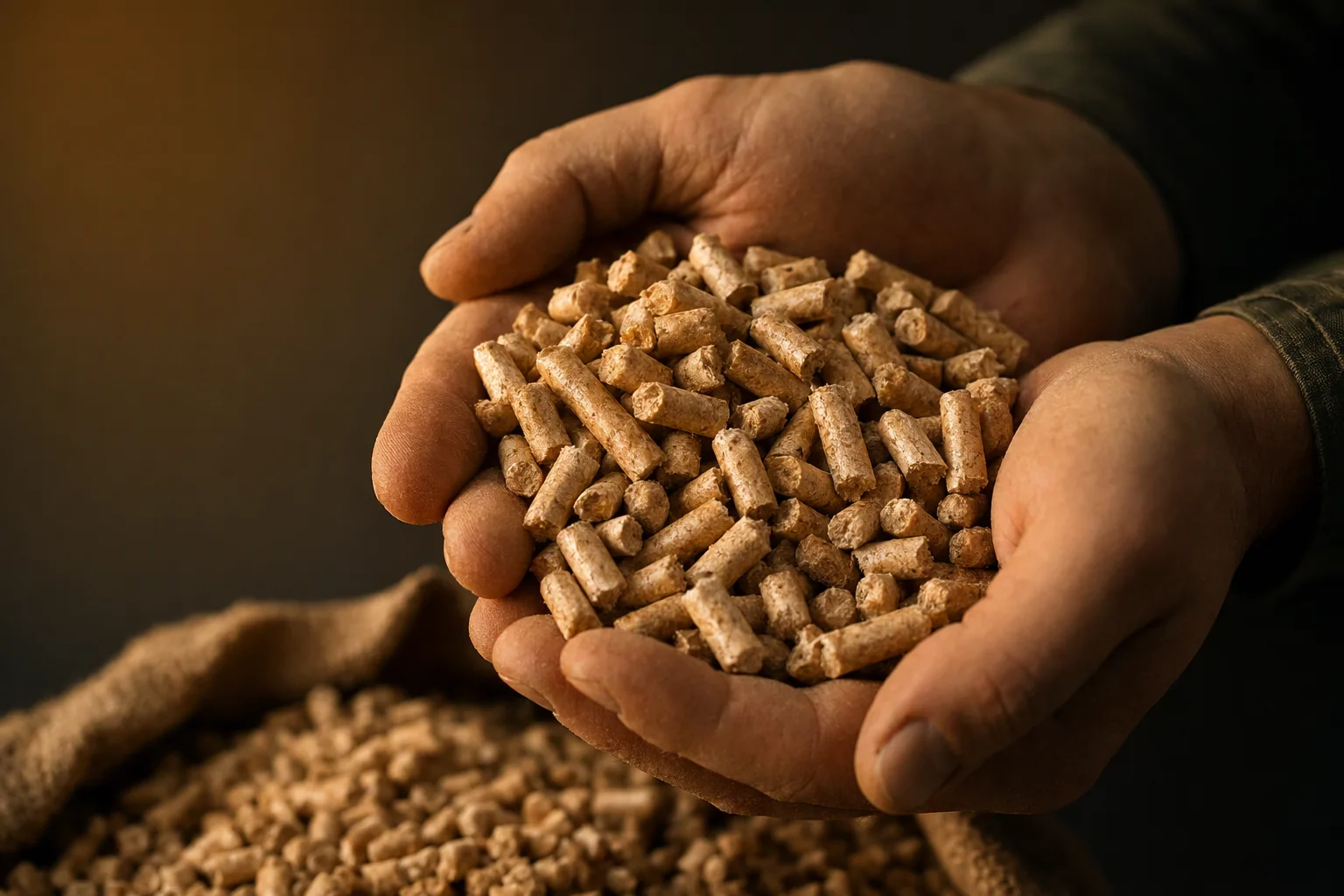
What wood pellets are and how they are made
Wood pellets are small cylinders of densified wood-based material. Producers generally dry the feedstock, grind it, and press it under heat and pressure so natural lignin helps the pellet hold its shape. The result is a fuel with a more uniform size than raw wood chips or loose biomass.
That uniformity is one reason pellets are common in automated feeding systems. Pellets also pack more energy into a smaller volume than many loose wood fuels, which can help with storage planning. The exact feedstock blend and production route are confirmed when you discuss a specific supply.
Buyers sometimes ask whether pellets include bark or only cleaner wood fractions. That choice can change ash and combustion behaviour, so it belongs in the specification talk rather than in a generic product name.
Main uses in industry and energy
Most industrial interest focuses on biomass boilers and industrial heating. Factories, processing plants, and commercial heating systems use pellets when their equipment is designed or adapted for pellet fuel. Some buyers also discuss pellets for power generation or co-firing, but only where the plant allows it.
Pellets are not a universal substitute for coal, gas, or oil. Suitability depends on the burner, fuel handling line, ash handling, and the heat profile you need. A useful inquiry always starts with the application and the equipment already in place.
When you request a quote, name the heat use in plain words: steam boiler, hot-water boiler, dryer, or another process. That single detail helps the discussion stay practical.
Key specifications buyers usually ask about
Calorific value is usually discussed as energy per kilogram. For many industrial pellet grades, buyers generally talk about values around 16–18 MJ/kg. That is a common market range, not a guaranteed figure for every shipment.
Moisture content is often discussed around 10% or lower for many traded industrial pellets, because wetter fuel changes combustion and storage behaviour. Ash content for many industrial grades is often discussed around 1–1.5% or lower, though some grades sit higher. Diameter is commonly 6 mm or 8 mm, with length kept within a practical band for the feeding system.
Packaging and order volume matter as much as lab numbers. Buyers usually specify bags, big bags, or bulk, plus the shipment volume and destination. Treat published ranges as orientation only, and confirm values against your boiler in the quotation discussion.
Advantages compared with other fuels
Compared with many loose wood fuels, pellets are denser and more consistent in size, which can simplify handling and feeding. Compared with some fossil fuels, pellets can support a lower-carbon fuel mix when the supply chain and plant design are suitable. Compared with wetter chips, dried pellets often give more predictable combustion once the system is tuned.
Pellets also have trade-offs. They usually cost more per tonne than raw chips, they need dry storage, and they only work well in compatible equipment. Compare them against your current fuel, boiler, and logistics—not against a generic ranking.
Tips for choosing the right wood pellets
Start with the boiler manual or your plant engineer. Note the required diameter, the acceptable moisture and ash band, and any limits on fines. Then match packaging and delivery to your site: forklift access, silo capacity, and covered storage.
Share destination, delivery terms if you buy internationally, and a realistic monthly volume. If you are switching from another fuel, say so. That context keeps the discussion practical.
Ask how moisture and ash will be stated on documents for the shipment you are considering. Clear measurement language prevents mismatched expectations later.
How to order or request a quote from PT Energi Jaya Integra
Send an inquiry through our Contact page with the product name (wood pellets), your application, target specifications, quantity, packaging preference, and destination. You can also email info@tradeofindonesia.com or WhatsApp +62 878-7181-2860. Our Jakarta team will review what you need and discuss fitting options.
Frequently asked questions
What are wood pellets used for?
They are mainly discussed for biomass boilers, industrial heating, and other energy uses where the equipment accepts pellet fuel.
What moisture level do buyers often discuss?
Many industrial pellet discussions refer to moisture generally around 10% or lower. Confirm the band your boiler needs.
Do pellets replace coal automatically?
Not automatically. Co-firing or fuel switching needs technical checks on the plant side before any order.
How do I get a quotation?
Use the Contact page or email info@tradeofindonesia.com with specs, volume, and destination.
Related articles
Ready to discuss wood pellets?
Tell us about your boiler or heating application, and we will help you review suitable pellet options.