Coconut Charcoal Briquettes: A Guide for Commercial Buyers
Coconut charcoal briquettes are densified charcoal made from coconut shell charcoal. Commercial buyers choose them for BBQ, shisha, restaurants, and hospitality when they need a more consistent shape than loose charcoal. This guide covers what the product is, how it is used, which specifications usually appear in an inquiry, and how to contact PT Energi Jaya Integra.
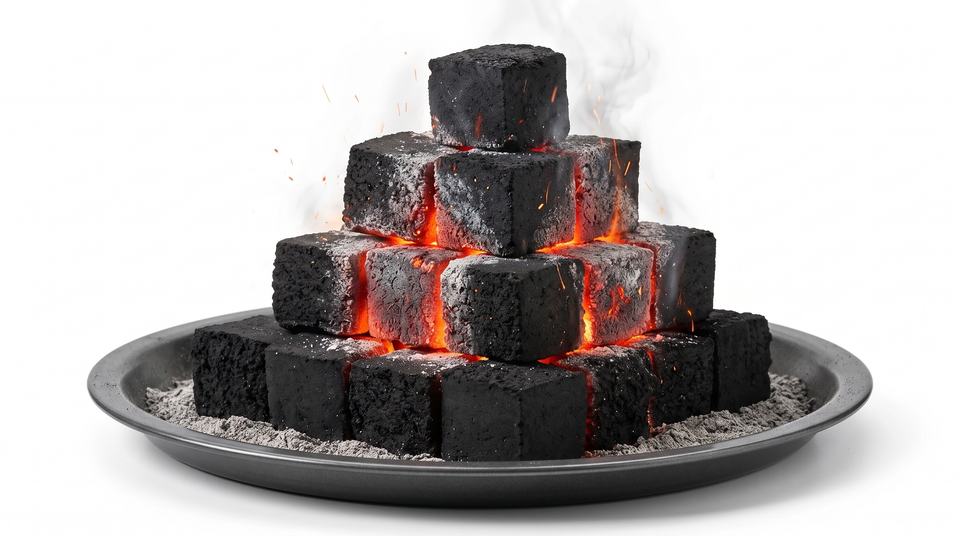
What coconut charcoal briquettes are and how they are made
Producers generally carbonise coconut shells into charcoal, crush the charcoal, mix it with a binder, and press it into cubes, hexagons, or other shapes. The briquettes are then dried so they hold their form in bags. The goal is a fuel that lights and burns in a more predictable way than irregular lump charcoal.
Shape and size matter for the end use. Cube briquettes are common for shisha and table cooking, while other formats appear in BBQ and catering. Exact binder type and pressing route are confirmed when you discuss a specific grade.
Main uses in cooking, BBQ, and hospitality
The main commercial uses are BBQ, restaurants, catering, hotels, and shisha or hookah venues. Buyers care about burn time, ash appearance, smell, and how evenly the briquette holds heat. Household retail packs also exist, but export and wholesale buyers usually focus on carton or pallet volumes.
These briquettes are not a substitute for industrial boiler fuels such as wood pellets or palm kernel shells. Keep the conversation on cooking and hospitality applications unless you have a specialised charcoal use case.
Key specifications buyers usually ask about
Ash content is often discussed in a low band for many coconut grades—commonly talked about around 2.5% or lower for many commercial lots, though grades vary. Moisture is generally kept low so bags stay stable; many discussions refer to moisture around 8% or lower.
Fixed carbon and burning time are also common talking points, along with size (for example 25 mm cubes) and packaging such as inner packs in cartons. Calorific value for charcoal briquettes is typically discussed at a high level compared with raw biomass, but buyers still confirm against their own quality sheet.
Treat published market ranges as orientation only. Confirm ash, moisture, size, and packaging against the grade you need before ordering.
Advantages compared with other fuels
Compared with many wood charcoal briquettes, coconut grades are often discussed for lower ash and a cleaner burn profile in cooking settings. Compared with irregular lump charcoal, briquettes offer more uniform pieces, which helps portioning and heat planning.
Trade-offs include the need for dry storage and careful handling so edges do not break in transit. Choose based on your menu, grill type, and customer expectations—not on a generic claim that one fuel is always better.
Tips for choosing the right coconut briquettes
Decide the shape first: cube, hex, or another format that fits your grill or burner. Then list ash, moisture, burn-time preference, and pack size. Share destination country, labelling needs, and monthly volume.
If you already sell a house brand, send a photo or size note of the current product. That makes matching much faster than a vague request for coconut briquettes.
How to order or request a quote from PT Energi Jaya Integra
Open the Contact page and request coconut charcoal briquettes with shape, size, target ash and moisture, packaging, quantity, and destination. Email info@tradeofindonesia.com or WhatsApp +62 878-7181-2860. Our Jakarta team will discuss options that fit your market.
Frequently asked questions
What are coconut charcoal briquettes used for?
Mainly BBQ, restaurants, hospitality, and shisha venues that want a consistent charcoal shape.
What ash level do buyers often discuss?
Many commercial coconut grades are discussed around 2.5% ash or lower. Confirm the band your buyers expect.
Are they for industrial boilers?
No. They are cooking and hospitality fuels, not boiler biomass like pellets or PKS.
How do I get a quotation?
Use the Contact page or email info@tradeofindonesia.com with size, specs, volume, and destination.
Related articles
Looking for coconut charcoal briquettes?
Share your shape, packaging, and destination, and we will discuss suitable commercial options.