Buying Palm Kernel Shells from Indonesia: Specs and Supplier Checks
Buying palm kernel shells (PKS) from Indonesia works best when roles, specifications and evidence are clear before commercial talks. This checklist helps industrial buyers prepare an RFQ. It uses supplier and sourcing language; it does not claim factory ownership or certification held by PT Energi Jaya Integra.
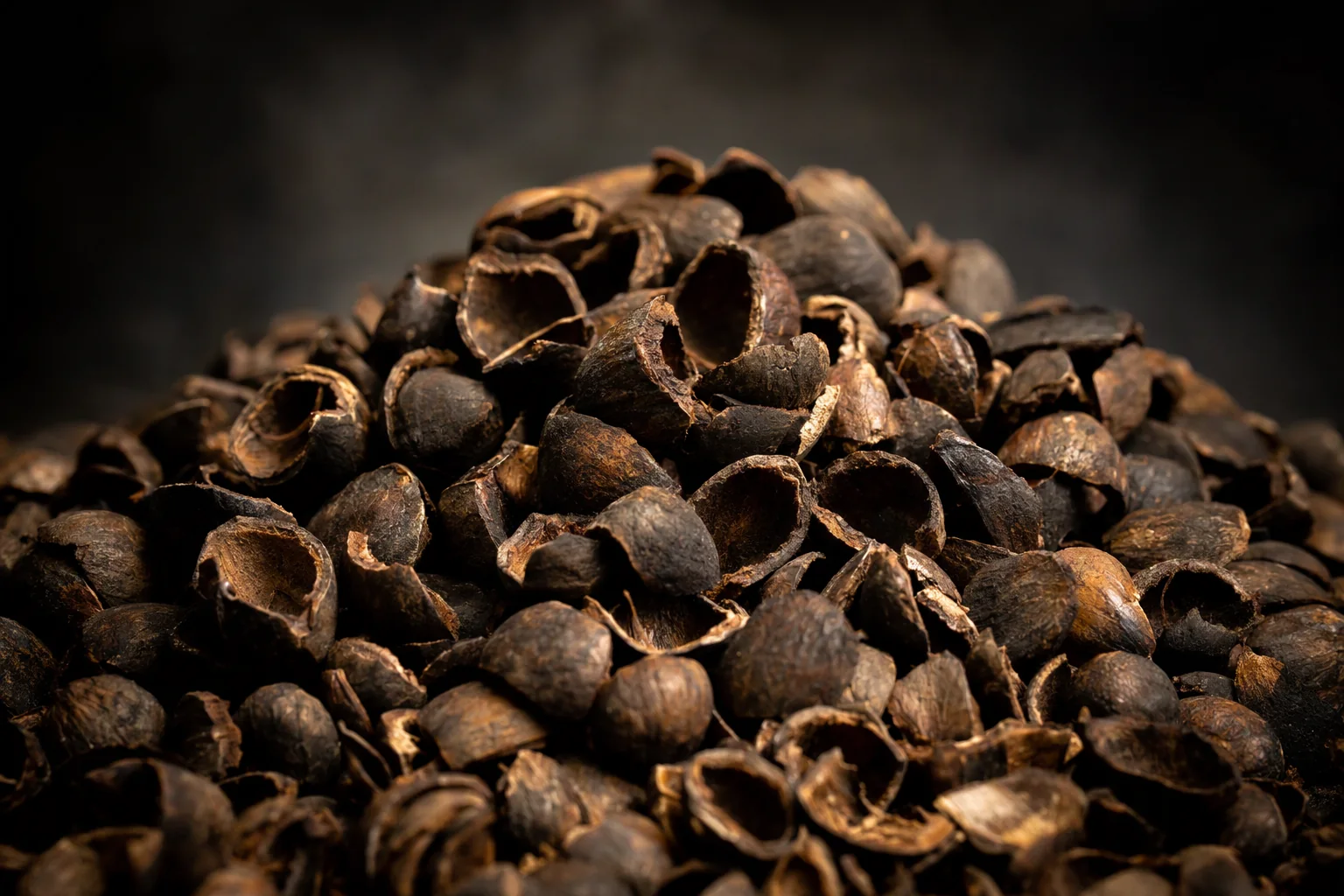
Clarify supplier, trader and mill roles
A mill produces shells as a process by-product. A trader or sourcing supplier may consolidate and coordinate delivery without owning a mill. Ask which role your counterpart plays.
PT Energi Jaya Integra discusses PKS sourcing for domestic and international inquiries. Confirm availability, specification, delivery terms and documents for the actual order.
Role clarity prevents mismatched expectations on samples, documents and lead times.
Specification table: what to ask
Calorific value: ask NCV/LHV or GCV/HHV and AR/ADB/dry basis. Moisture and ash: same basis as your plant sheet. Size, fines and foreign matter: ask measurement method.
Screening versus non-screening describes processing steps, not a universal grade label.
Request source- or batch-specific analysis when quality risk is high. A logo on a brochure is not proof.
Destination questions, including Japan FIT/FIP as a conditional example
Destination markets can have project-specific documentation expectations. Japan FIT/FIP biomass rules are one conditional example: eligibility and accepted schemes depend on current official guidance and the buyer's project scope.
Green Gold Label (GGL) is an example of a recognized scheme for applicable Japan FIT/FIP biomass scope; it is not the only possible scheme and is not a credential claimed for EJI on this page.
Korea and other markets have separate requirements. Do not copy Japanese rules onto them. Ask the importer to confirm current official sources.
Specification and RFQ checklist
Include company contact, product, end use, specification targets with basis, screening notes, volume, destination, timing and documents to discuss.
Send the RFQ through Contact or info@tradeofindonesia.com. Related reading covers price factors and the introductory PKS guide.
This is procurement guidance, not legal advice and not an exporter capability claim.
Frequently asked questions
Is every PKS seller a mill?
No. Clarify manufacturer/mill, trader or sourcing supplier roles.
Does this page say EJI is GGL certified?
No. GGL is mentioned as a buyer-education example for applicable Japan FIT/FIP scope only.
What should an RFQ include?
Specification targets with basis, volume, destination, timing and documents to discuss.
Are Japanese rules universal?
No. Confirm destination-specific requirements with the importer and current official sources.
Sources
Related articles
Preparing a PKS RFQ?
Share specification, volume and destination so we can discuss sourcing options honestly.